
Composting is a fantastic way to reduce waste, enrich your soil, and create a healthy garden environment—all from the comfort of your home. If you’re new to composting, it might seem overwhelming at first, but with a few basic tips, you can turn everyday kitchen scraps and yard waste into nutrient-rich compost. In this post, we’ll guide you through the beginner-friendly steps of starting a compost pile or bin at home.
What is Composting?
Composting is the natural process of recycling organic material such as food scraps and yard debris into a dark, rich soil amendment known as compost. This compost improves soil structure, provides nutrients for plants, and helps reduce landfill waste.
—
Why Start Composting at Home?
– Reduces Trash: Composting diverts a significant amount of organic waste from landfills.
– Improves Soil Quality: Compost adds essential nutrients and helps retain moisture in soil.
– Supports Plant Growth: Healthy soil leads to healthier plants, flowers, and vegetables.
– Eco-Friendly: Reduces greenhouse gas emissions associated with waste decomposition in landfills.
—
Getting Started: Choose a Composting Method
Before you begin, decide which composting method suits your living space and lifestyle.
Backyard Composting
If you have a garden or yard, you can create a simple compost pile or use a compost bin.
– Compost Pile: An open pile that you turn occasionally.
– Compost Bin: A container that contains the compost for a neater appearance and better pest control.
Indoor Composting
If you don’t have outdoor space, indoor composting options include:
– Vermicomposting: Using worms to break down food scraps in a worm bin.
– Countertop Compost Bins: Small containers to collect scraps before transferring to a larger compost system.
—
What Materials Can You Compost?
An important rule for healthy composting is balancing “greens” and “browns.” Greens are nitrogen-rich, browns are carbon-rich.
Greens (Nitrogen-Rich)
– Fruit and vegetable scraps
– Coffee grounds and tea bags
– Fresh grass clippings
– Plant trimmings
Browns (Carbon-Rich)
– Dry leaves
– Straw or hay
– Shredded paper or cardboard
– Small branches or twigs
Avoid Composting
– Meat, dairy, and oily foods (may attract pests)
– Diseased plants or invasive weeds
– Pet waste (can contain pathogens)
– Coal or charcoal ash
—
Step-by-Step Beginner Composting Guide
1. Select a Compost Bin or Designate a Spot
For outdoor composting, pick a dry, shady spot with good drainage. If you use a bin, ensure it has ventilation.
2. Start with a Layer of Browns
Begin your pile or bin by adding a 6-inch layer of browns to help with aeration and drainage.
3. Alternate Greens and Browns
Add layers of greens followed by browns, aiming for roughly a 2:1 ratio by volume. This balance helps microbes break down materials efficiently.
4. Keep it Moist
Your compost should feel like a damp sponge. Water lightly if it’s too dry, or add browns if it’s too wet.
5. Turn Your Compost Regularly
Turning your compost every 1-2 weeks helps provide oxygen, speed up decomposition, and prevents odor.
6. Be Patient
Composting takes time—anywhere from a few weeks to several months. Finished compost is dark, crumbly, and earthy smelling.
—
Troubleshooting Common Composting Problems
– Bad Smells: Usually caused by too much moisture or greens. Add more browns and turn the pile.
– Pile Too Dry: Add water and mix to maintain moisture.
– Slow Decomposition: Chop scraps into smaller pieces, add greens or nitrogen source, and turn more often.
– Pests: Use a sealed bin, bury food scraps under browns, and avoid meats or oils.
—
Tips to Make Composting Easier
– Use a kitchen compost bin with a tight-fitting lid to collect scraps easily.
– Chop or shred materials to speed decomposition.
– Add finished compost to garden beds, potted plants, or lawn to nourish plants.
– Learn to recognize which plants benefit the most from compost.
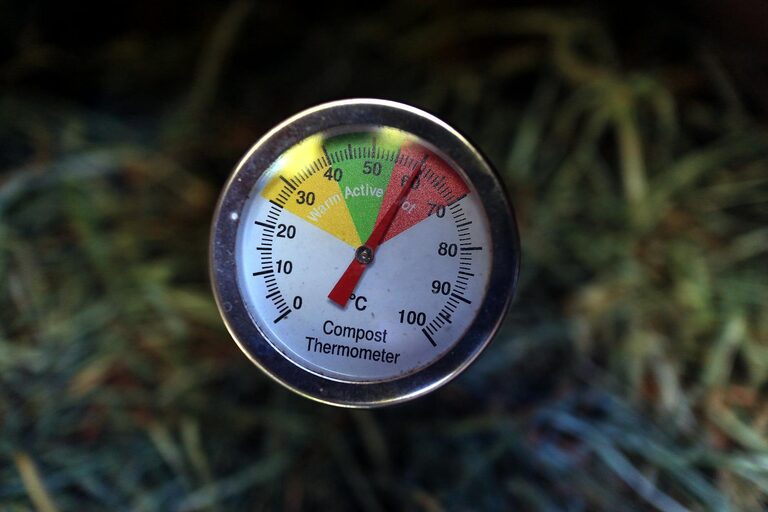
– Consider a compost thermometer to keep track of pile temperature for faster results.
—
Conclusion
Composting at home is a rewarding and eco-friendly practice anyone can learn. Starting simple with a compost bin or pile and understanding what materials to add can set you on the path to producing your own rich compost. With a little care and patience, you’ll watch your kitchen scraps transform into valuable soil that boosts your garden’s health. Happy composting!
—
Ready to start your compost journey? Gather your scraps and give these beginner tips a try! You’ll be amazed at how easy and satisfying composting can be.