
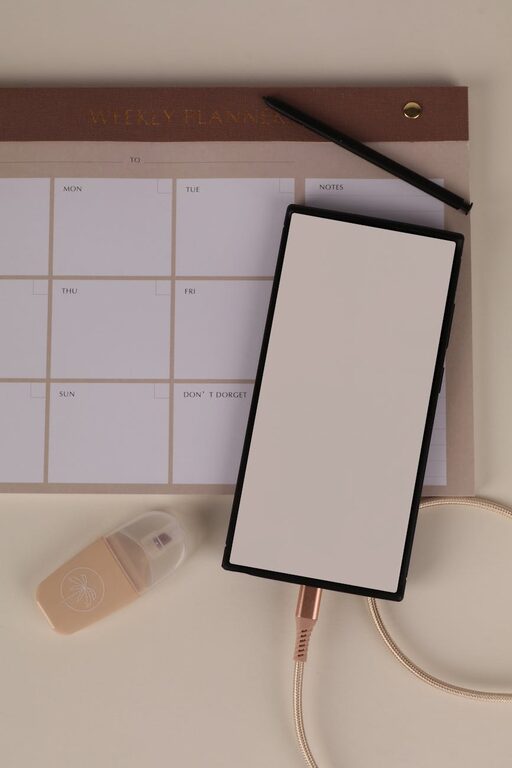
Creating a weekly reset routine can be a game-changer for your overall well-being and productivity. By dedicating time once a week to reset your mindset, organize your environment, and recharge your energy, you set yourself up for success in the coming days. Whether your week feels overwhelming or you simply want to maintain balance, a reset routine provides clarity and focus.
In this post, we’ll explore how to design a personalized weekly reset routine that fits your lifestyle, helps reduce stress, and refreshes your outlook.
Why Have a Weekly Reset Routine?
Over the course of a busy week, it’s easy for clutter, distractions, and mental fatigue to build up. A weekly reset serves as a checkpoint:
– Clears physical and mental clutter
– Reassesses priorities and goals
– Boosts motivation and energy
– Prevents burnout by encouraging self-care
By establishing a clear plan, you can create a ritual that feels both refreshing and practical.
Step 1: Choose Your Reset Day and Time
Selecting a consistent day and time is key. Many people find Sunday evening or Monday morning effective since it prepares them for a fresh week. Others prefer a midweek reset to regain focus.
Tips for choosing your day:
– Pick a day with fewer commitments to allow time for your routine
– Consider when you naturally feel most relaxed and attentive
– Set a realistic time commitment (start with 30–60 minutes)
Step 2: Outline Your Weekly Reset Activities
Your routine should include activities that address both your physical space and mental state. Here are common components to consider:
a. Declutter and Clean Your Space
A tidy environment helps you think clearly.
– Clear your desk or workspace
– Put away clothes and items out of place
– Wipe surfaces and organize important items
b. Review Your Calendar and Tasks
This step helps you focus on priorities.
– Check upcoming appointments and deadlines
– Plan important tasks and break them into smaller steps
– Remove or postpone low-priority tasks
c. Reflect on the Past Week
Understanding what went well and what didn’t guides improvement.
– Review successes and challenges
– Note lessons learned
– Journal thoughts or feelings if you like
d. Set Goals and Intentions
Define what you want to achieve or focus on in the coming week.
– List 3–5 achievable goals
– Choose one personal and one professional intention
– Visualize positive outcomes to stay motivated
e. Practice Self-Care
Recharge body and mind to maintain balance.
– Try light stretching or yoga
– Meditate or practice deep breathing
– Listen to music or read a few pages of a book
f. Prepare Meals or Outfits
Taking care of these small tasks reduces daily stress.
– Plan simple meals or prep ingredients
– Select and lay out clothes for busy days
Step 3: Customize Your Routine
Not all activities work for everyone, so tailor your routine to what feels right:
– If cooking isn’t your thing, skip meal prep or order groceries online
– If journaling feels like a chore, try voice memos or quick bullet points
– Keep a list of activities to rotate each week
Step 4: Create a Ritual
Turn your routine into a pleasant ritual by:
– Lighting a candle or using essential oils
– Playing your favorite calming playlist
– Brewing a cup of tea to enjoy during the process
These small touches make your reset feel special and something to look forward to.
Step 5: Track Your Progress
Maintaining motivation is easier when you can see progress.
– Use a planner or app to check off your weekly reset
– Reflect monthly on how the routine impacts your mood and productivity
– Adjust as needed to keep it effective and enjoyable
Tips for Success
– Start small: You don’t need to do everything at once. Build your routine gradually.
– Be flexible: Life happens. If you miss a reset day, reschedule rather than skip entirely.
– Involve others: Share your reset time with family or friends for accountability.
– Stay positive: Focus on progress, not perfection.
Example Weekly Reset Routine
Here’s a sample to inspire your own:
- Declutter desk (10 minutes)
- Review calendar and update to-do list (15 minutes)
- Journal three good things from the past week (10 minutes)
- Set 3 goals and intentions for the week (10 minutes)
- Prepare simple meals or snacks (15 minutes)
- Stretch or meditate (10 minutes)
Total time: 1 hour
Final Thoughts
Designing a weekly reset routine is an empowering way to create space for clarity, calm, and planning. By investing time to refresh your physical space and mindset regularly, you build habits that support a balanced and productive life. Remember, the best routine is one that fits your unique needs and feels sustainable. Start small, stay consistent, and enjoy the benefits of your weekly reset!
—
Feel free to adjust your routine as you go, and don’t forget to celebrate your progress. Here’s to a refreshed and focused week ahead!